0:00
SNI, Surgical Neurology, International, and Internet Eternal, with Nancy Epstein as its editor-in-chief,
0:11
and SNI Digital, a new editorially curated neurosurgery and medical information multimedia platform with operative videos, expert interviews, podcast, global interactive discussion of information
0:27
for the next-generation of clinicians in 13 languages, with James Hausmann as the editor-in-chief. SNI and SNI Digital are pleased to present another in the series of Sub-Saharan African
0:43
International Neurosurgery Grand Rounds, co-sponsored with the Sub-Saharan African Neurosurgeons held on the first Sunday of every month.
0:54
In addition, SNI Digital and SNI, supports the Latin American neurosurgical international surgery grand rounds neurosurgery grand rounds in cooperation with the Latin American neurosurgeons held in
1:02
the last Sunday of each month.
1:17
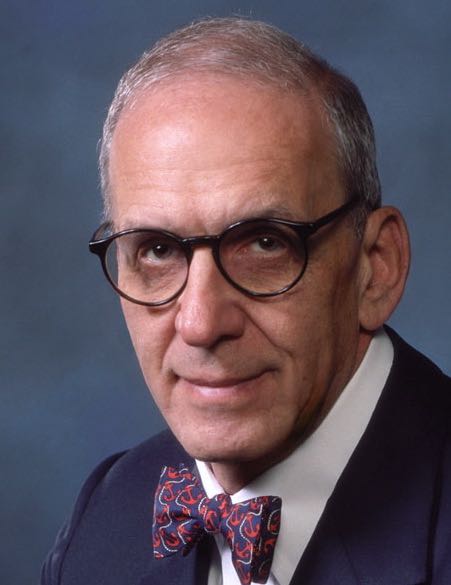

In these Sub-Saharan African International Neurosurgery Grand Rounds, present topics related to global solutions to clinical challenges in neurosurgery. The moderators are Astrada Bernard and James
1:33
Osman, before an international audience. This 20th Sub-Saharan African International Grand Rounds
1:44
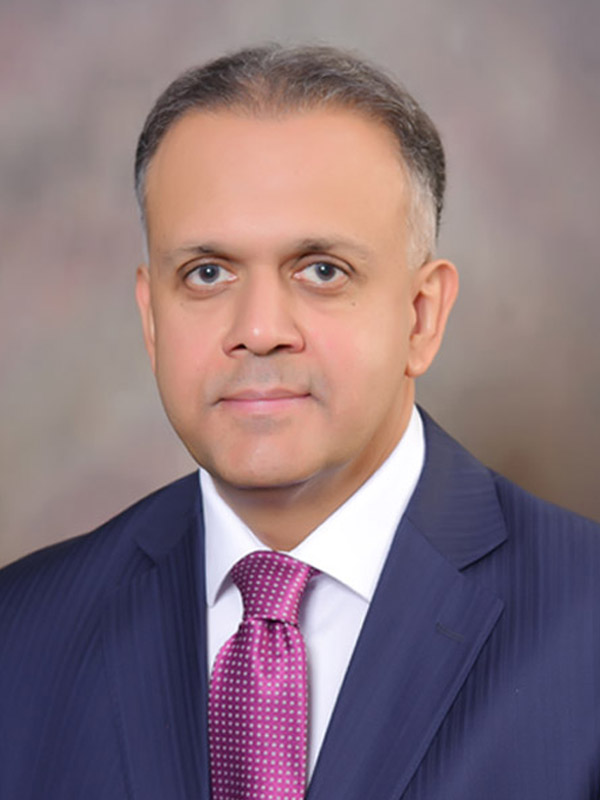
is devoted to a program titled How Do We Developed a Stroke Program for 130 Million People in Pakistan, given by Qasim Bashir, who is in Lahore, Pakistan.
1:58
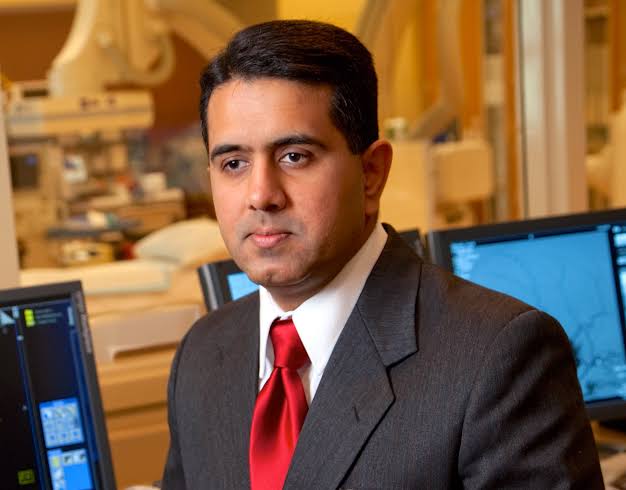
Dr. Bashir has his doctorate degrees and MD degrees from Pakistan, and he has specialized training in the United States in Neurology and Interventional Neuroradiology. He's head of the Department
2:14
of
2:16
At the Services Institute of Medical Sciences in the Lahore, Pakistan, director of neuroendovascular surgery there, at the Pundjav Institute of Medical Sciences and is involved in the focal person
2:29
on the Pope Provincial Stroke Management Center. He's a fellow in the Royal College of Physicians in Edinburgh, certified in neurocritical care, and certified in vascular neurology by the American
2:41
Board of Neurologicals of medical specialties He's got an AC GME accredited fellowship in neuro-investricular surgery at the University of Illinois at Chicago and is certified by the Committee of
2:56
Advanced Specialty Training in that particular specialty.
3:06
Okay. Well,
3:09
thank you, Estrada, and I appreciate the chance to introduce Kasim Beshur and his brother who is Sif Beshur. Both are
3:22
from Pakistan. As
3:27
we were working in Detroit
3:32
with one of our colleagues, Manuel Dohovny, we would travel around the world, and one of the places we traveled to was Pakistan. We did that because we had a colleague by the name of Gauss Malek,
3:44
who I invited here. I'm not sure he's going to be here. Gauss was on the staff at Henry Ford Hospital, and we met Kasims and
3:56
his brother, You are such a father who is a founder of neurosurgery. are certainly one of the initial people who started neurosurgery in Pakistan. He has a similar background to NIMS in that he was
4:11
educated in England also. Did he, was he educated at Queens Square or someplace else, custom in New Castle? I don't know, maybe not Queens Square, yeah. Okay, and his father then came back to
4:23
Pakistan, developed neurosurgery, was working day and night, and then had his family and his sons bed them come to America for neurosurgical training and
4:36
advanced training. You also have two sisters, or three sisters, three sisters? Two sisters. Two sisters. Who also went into medicine and Kasim took
4:48
the pathway of coming and going into neurology
4:53
which was not just an accident not just an accident. because they had a plan. We talked to them about establishing neurosurgery in Pakistan for the future in Gauss and myself and Manuel. So we
5:08
would spend a lot of time and effort to do this if they go back to their country and lead neurosurgery, which they have done. And Kasim is going to tell you something which is which is which is
5:20
impressive And they live in that in the area of Pakistan called the Punjab. There's 160 million people. Am I right about that, Kasim?
5:31
Dr. Aspenik, I think around right now, like 134 million, and the population, its country is 250 plus million. So half of the country is in Punjab. So an enormous number of people. I think
5:43
we've been there three times, and it's really an experience.
5:49
Life is different.
5:53
And so they've done an absolutely Herculean job. I don't want to take his steal from what he's going to tell you. It's astounding what they've done and what they've established. So anyway, that's
6:09
some background on Kasim. In the future, we'll bring his brother Asif, because his brother's going to talk about something. Kasim is going to talk about something a little bit today But his
6:21
brother's going to talk about what is a very essential issue in the developing world. And that is how do you integrate with the governance and the politicians to direct medicine into the right
6:37
pathway? And that is probably a major part of what you're doing, isn't it? That's right And
6:48
we didn't train him for that, but he's into this, he's got a responsibility for 130 million people and he's done a spectacular thing. So anyway, that's his background. We thought it would be very
7:04
worthwhile for you to talk to people because not only have you established a stroke program, but how you've done it has been amazing, starting from zero. So anyway, that's what I know about Kasim
7:20
and his family, you want to go ahead? So we've got about 20 people now. I'm just like, oh yeah, let's get started. So Kasim, please proceed, he's been introduced. He's going to be talking
7:34
about the four Ps of developing stroke care in LMICs. So please proceed. So thank you, Dr. Osman and Stradaic for the opportunity again So since.
7:49
presented this thing a couple of months ago, there has been some like major improvement in or progress in this whole program. So, and I'm going to talk about the four P's, the philanthropy,
7:60
public and private and private and private. Learn from keynote. Continue to share this keynote window. So,
8:07
the thing is that I moved back in 2000, end of 2012 from US. I was extremely lucky to be trained under Dr. Asman and then moved on to University of Vermont, Cleveland Clinic, and then finally
8:22
came back to UIC University of Illinois, Chicago, and then completed my two years of data in the vascular. So, I not only learned a lot about the medicine piece of it, but just the mere fact of
8:35
like coming across Dr. Asman, Dr. Gerard de Bruin and all of those people, like I learned so many things, which I think do indirectly reflect on the way the things I was able to pull the things
8:48
off. here. So just to share, like, you all know all of these things, but just to give you a comparison, since I'm going to be talking mostly about this gimmick stroke, so the IB thrombolysis
9:01
globally, the ideal rate is that at least 40 of the population should be treated with IB thrombolysis. And you can see the median thrombectomy, global access is extremely poor, even as of in 2026.
9:18
And this is another thing which I started showing the policymakers here.
9:24
The thing about, and I'm going to keep on mentioning some of the differences in the developed world and the developing world. The thing about the developing world in our part of the world is that
9:35
the more I read now the history going back to the independent states of 947 and onwards. What I find astonishing is that the whole policy making and in relevance primarily the healthcare, it's all
9:50
about optics. It has nothing to do with the development and does based on the research, the population, the methodology and everything here. It's everything is based on the optic, meaning you
10:03
build 10 hospitals, but it doesn't matter whether you have a required human resource there. But as long as the 10 hospitals are constructed and the machinery is there, that is the optic that the
10:13
policymakers want to show the public and that's the selling point for gaining the votes. So these optics are still, this is what the policies mostly are based on, even in this world. And you can
10:27
see the sharp difference in US, the other thing that is different extremely in this part of the world is that we have multiple specialty boards as compared to American Academy of Neurosurgery or
10:36
American Academy of Neurology. You have one board that deals with the training and everything. Here you have multiple boards, even then over the years we have not been able produced there were.
10:48
the required number of neurologists, neurosurgeons, and other specialists, which are extremely in the shortage in this part of the world.
10:58
Now, another big difference, again, Pakistan probably is the only country, I can't think of any other country, either Europe or US or anywhere else. When I say it's a two-tier health in the
11:11
medical school system, it basically means that you have divided the emergency care into two systems. There are standalone cardiac institutes, all over the country, and especially in our province
11:21
as well. When I say standalone, they have their own emergency rooms. The only people that you will find there are the cardiology, the cardiac surgeons, the anesthesia, and some of the pathology
11:33
and the reality part. But the rest of the specialists are not there. They have the positions available, like for nephrology, neurosurgeoniology, but the positions are lying And then you have
11:43
these journal hospitals flated with the medical schools which have their own emergencies. They don't deal with the cardiac piece of it. Some of them do, but majority don't. And then you have this
11:54
population which by definition, 61, but again, when you look at the definition, the literacy rate, it's totally different. This is based on if someone is able to read and write the basic English.
12:08
So 66 is not like the way the Western world will define it. And then you have these two emergency transport system, one run by the publics in the public sector, called the Rescue 1122. And then
12:21
all over the country, because of the poverty and everything, there is a lot of philanthropic support, and they have all these ambulance and everything. So, and here you now, you have these
12:30
emergency stroke care system, you want to have an educated public, you want to have one emergency, one transport system, but that doesn't exist. And that becomes an extremely, challenging a part
12:43
to deal with when you are bringing in hyper acute therapies. So I'm not going to - Hey, can you go back to that slide? Let me ask you a question, okay? Sure. Does the cardiac institutes are
12:55
these private and the general hospitals, are they public?
12:59
No, so all of them are public. So
13:04
but the cardiology has a very strong, I would say, the lobby and
13:10
they tend to take a lot of these funds and everything so, but these are all public. They're all public. So
13:19
now you have a cardiac institute. Do they have other specialty institutes or they're mostly cardiac? These are mostly cardiac, but now they have opened up one for the kidney and the liver
13:29
transplant. They're opening up another one for oncology, the cancer. And these are the two new additions which are coming up. And I'm sorry to keep asking questions, but the fact that you're a
13:41
cardiac institute instead of an orthopedic institute indicates the primary problems that they're dealing with. So it must be heart disease and it must be atherosclerosis. Is that a correct
13:54
assumption? That's right. And so in a country of 230, 250 million people, the major disease is atherosclerosis is what you're saying, is that right? So atherosclerosis, then you have rheumatic
14:10
heart disease, then you have a lot of these pediatric congenital heart anomalies. So these are the top three disease spectrums here. And the rheumatic disease is infectious? It is. Yeah. Okay.
14:26
All right, I think you're so we got a perspective here. If somebody, the Carnegie Institute of these people who are in private practice
14:36
How are they different from the people who go to the general hospital, or do they have to work in both the general hospital and the private hospital? No, so if you are posted in a cardiac institute,
14:47
then you are posted in that institute and the one in the journal will work in the journal. The problem comes that the majority of the people, they don't understand when they're having stroke, they
14:56
would think that because there is a lot of awareness campaigns about the cardiology. So whenever someone is having a stroke, majority will think that it's a cardiac and they will land in their
15:06
emergency room. And after a couple of hours they will be told that no, it's not a cardiac problem. You have to go to the next door or to a different hospital to seek the care. And by the time they
15:15
come to that hospital, they are out of the window for a IgE thrombolysis or thrombectomies and those type of things. So this becomes a big challenge how to educate the public way to go when you have
15:26
these two-tier emergency systems in place. So I was just going to get to that. Then one of the major challenges educating the people. the differences between stroke and heart attack and you've got
15:38
60 literacy rate. So this is an ongoing challenge. Is that right? That's right. Okay. I know you're going to get into this, but you'll tell us how you began to separate those out and do that
15:52
education. But thank you for the background. No problem. So there are so many barriers here, like, and I've just tried to list some of them here, but everything is interconnected. And so I'm
16:06
not going to go into each one of them, but just to tell you that one of the things that I learned after a year or two of spending time back in Park Sun, after spending like some 17 years in US, is
16:16
that you cannot copy paste the things from the Western world into this part of the world, even as of today. So the guidelines are there, but I feel that the guidelines as the name applies, So they
16:31
are there to guide you, but obviously you cannot exactly replicate them in this part of the world. So you have to find local solutions to local problems. I've listed some of them that when I
16:44
started off the program, when I was asked to join the public sector in 2020, eight years after I was already here in Pakistan. And the other thing that is very interesting in this part of the world
16:56
is that, as long as you are just a visiting person from the developed world, like when I was visiting the, from US to Pakistan, all the red carpets would roll. You know, everyone wants to meet
17:07
you. They want to show the patients, but the minute you tell them that you're planning to come back and once you physically back, that red carpet is pulled from right under your feet. And then
17:18
you're on your own. So, but this is how it all started. Like initially, before I even came 2012, in
17:28
When I was thinking of like coming back in 2010, I did try to reach out at that time. My father was alive. So reached out to the top notch in the health department, gave them an idea that, you
17:41
know, to try to open up a comprehensive stroke center in Lahore. This is 2010. You know, all the meetings is arranged and everything. But then it's just like one PowerPoint presentation, but
17:51
nothing happens thereafter. But I'm just trying to tell
17:55
you the ground line. So this is 2010, when the initial proposal, I gave them that, you know, how to make a comprehensive center. But in 2020, I was offered to join the public sector. So I
18:08
joined it. Again, reached out to the Health Department to get the funds and everything, couldn't get the funds. At that time, the IVTPA was not even registered with our drug-rated authority of
18:18
Park Sun. So that was a big challenge So reached out to a patient of mine, Sun, who actually lives in your part of the city as well. So he was kind enough and he donated the first hundred thousand
18:32
dollars. So now the next question was like how to bring the funds into Park Sun and I didn't want to get the funds. I just wanted the drug because if the funds come over here, then you know, there
18:43
is a lot of nepotism, corruption, all of these things, so didn't want to get into that issue. So reached out to the all Park Sun position, the North America Association and reached out to
18:53
Behringer, Engleheim, which are the manufacturers So we created a medium of transferring the funds from the up now to Behringer, Germany. And in return, Behringer actually shipped the TPA
19:03
directly to our center. We had to become their direct client. It took me like six months to do the paperwork, but we were able to get that going and also got the institutional waiver to import a
19:16
drug which is not even registered in 2020 at that time, the TPA So that's how the first program started off in the public sector, this was the first public sector in the country at that time coming
19:30
from
19:32
Lahore so so you you were able to to relate to the Pakistani neurosurgeons who were in the United States and together you all felt
19:44
a need to help the country and that's how you you started out raising some money is that correct no sir so the money came from the donor the problem was like how to transfer that money to the Boringa
19:56
Ringleheim
19:58
and then so the up now became the medium because they were able to give the tax exemption certificate to that donor in based in US and then they transferred the money to the the manufacturer the
20:10
Boringa Ringleheim directly and in return we got the shipment of the injections
20:15
okay yeah and what was the drug that Boringa Ringleheim was using at the time that you needed The TPA,
20:26
the TPA, the orte place. which now has been placed by the Tenecti place. All right. Thank you. So for two years, what we did was that we used the WhatsApp as a social media platform. And every
20:39
success story, we started off like, you know, sending it to the health secretary or the assistant health secretary in
20:48
the Punjab government and just sharing small videos, like one or two minute videos. And in 2023, the health department actually took notice of it And then finally, they reached out to me and to
20:60
replicate the whole program for the whole province. And that's when PSMC, which is a provisional stroke management center, came about. So the paperwork started off in 2023, but it became
21:11
operational in April of 2024. And the idea was that to replicate this whole one center province wide so that patients can get the first line of defense, like within the first four and a half hours
21:23
of IVTPA in their cities,
21:27
trying to rush to the Lahore urban city. And by the time the majority would land anywhere, they would be out of the window because some of the cities are like six or eight hours from Lahore where I
21:39
am based right now. So let me ask you another question here. So you've got the drug ATPA, which you're using for acute management of stroke problem. So you have to have a CT, at least, right,
21:54
in the hospital? Yes But the patient doesn't have a hemorrhage. And you give them the drug and you've selected the patients, you know which they are, and you get a good result. And the good
22:08
results then become things that they can see. And they say, I'd like it in my province, and I'd like it in this province. And so you go to the government, the government, the politicians, and
22:19
you say, This is what we can do, but we need more help. Am I right or right? the people in this program, I think that the nuts and bolts of how you get started are really important. And first,
22:33
you got to get the drug, which you did, and with some help from Beringlheim.
22:40
But then you get the good results. You know you're going to get good results because you had experience. And you know the people, compared to not getting nothing, are going to improve, they
22:48
improve. And you use that as, I don't mean you use this in a negative way, you use that as a leverage to get more funds and get more attention directed to the healthcare issues. Is that correct?
23:03
That's right, that's absolutely correct. And Nim, are you there?
23:10
Yeah, I'm sure he's there, but he, I don't want to ask you to know that. I'm here, I'm here. Is this, we were just talking about this an hour ago, is this is what you had to go through?
23:23
Yes, that's what I thought we'll have to go through with my place also. Yeah, and Professor Nimrod is one of the leading neurosurgeons in Africa, he's known widely and he's been with us for two
23:36
years and he has a similar path of education that your father had. Okay, so I just wanted to get that into it. 'Cause him because it isn't like go to the office of the next day and say, Can I
23:51
have100,
23:53
000? That's right. You have to show them that you made a significant difference. And does it come when you're treating the politicians' family or does it come when you're treating some important
24:04
person's family? Is that how you leverage it? Yeah, so it actually makes a big attention. Obviously the attention is more than if there is a big politician or a relative of a politician getting
24:16
the drug and going back and telling them You know, hey, you know, this was the drug if. it wasn't there, I would have not benefited.
24:25
So we had a few of these type of patients during those two years, which did make a big difference.
24:33
And bearing the line continues, do you have to pay for what they're doing initially? They gave it to you, is that right? Yes, so in this program, the most beautiful aspect was that the donor
24:47
gave100,
24:50
000, the Chase Bank, actually, where the money was being transferred. They deducted6, 000 as a processing fee, and when they detected the6, 000, I had already placed the order worth100, 000
25:01
with Boringa. Now I was short of6, 000 because they had already, we have done the paperwork about the number of injection and everything, so then the APNA, then when I reached out with them, I
25:11
said, this is a problem that came about, I don't want to reach the donor back again for just the6, 000, so what to do about it? So then they said, okay, we'll check in whatever the. the money
25:21
left over is, and then Berninger found out that this is all coming to the public sector. They actually, out of the blue, one day, I get an email from them that, Hey, Doc, like, you know, we
25:34
heard that this is all a public sector. You've got the donation, everything. So now, this is what we're going to offer. We're going to give you one. For every injection you have bought from us,
25:42
we'll give you one extra. So that was just amazing. That suddenly, you know, I didn't even reach out to them or didn't feel like I was, I didn't even think about it. So, but suddenly they also
25:53
came out. And so we got the double of the amount as compared to what the hundred thousand dollar worth was. So, so I think when there is a will, there is a way and you know, good people just step,
26:05
step forward by themselves. One other point, I know you're going to come to it later. I'm sorry for asking these questions, but, but you didn't want the money to be, you didn't want the hundred
26:15
thousand dollars to go to the government because you never see it. Is that right? That's right. Yes. So you had to work through private channels to make sure that the drug got to the people for
26:27
the purpose you wanted it. Is that right? That's right. So I told them that, you know, I'm a doctor. I just need the tools that I need to provide the care. So in this case, I need the drug.
26:38
So just give me the drug. And that's the way I pitch the whole program. Incredible. Okay, now that you've got the drug, you've got
26:50
to promote this throughout the region to get to this 130 million people. And you've got to educate people. It's just an incredible challenge you've got. So tell us about it. So then we - Can we
27:03
get some comments from - Sure, sure. Sure, damn. I have two little segments here who handle those types of cases. Dr. Mutiso, Dr. Kivuva, and Dr. Kanyata, They could give us their views
27:19
about what has been done. presented because it really would reflect at the ground level what we go through in Kenya. Dr. Mottiso, Kannata and. Is that Ben Mottiso or is that Ben? Ben Mottiso.
27:36
Please.
27:40
Ben, you want to comment?
27:47
Thank you for the presentation. I think I'm closely following. Yeah, this is an interesting way that you can start. I think one of the challenges, obviously, is funding and I can see that they
28:00
were lucky to get the funding that they bought. Yeah, but most of this stroke is not available here in most of the institutions and it's not in an organized manner when it's available. So I think
28:14
there's a big gap that you could learn from this and obviously build on it. I
28:22
don't know what my other colleagues will have to say.
28:27
And now the other colleagues you have there. Yeah, a decision maker, so he could give his views as far as ministry people are concerned.
28:40
Thank you, Professor.
28:44
I hope you can hear me. Yes, we can hear
28:48
you. Oh, thank you, Professor. Yeah, it's a big issue in Kenya. We're foreseeing in the future that it might become more of a problem because we have about 15, 000 stroke patients a
29:07
year in Kenya every year. And about 7, 000 of them are ischemic strokes. So, and we have many centers which are the centers which are currently doing stroke care in Kenya based in Nairobi and
29:25
Mombasa. So those are the two areas that you can get acute stroke care. But I foresee it being a
29:37
regional thing or even a district issue setting up catalabs
29:44
setting up altepace centers at the district level, because time is a factor when you get us proof. But
29:55
I think we are better off than when maybe professors started his practice and I envisioned by the time we are retiring that will be much further along. Thank you
30:12
Okay, this sounds similar to what you started with and when did you go on? Okay, so these are the guiding principles that are coming from the word stroke organization. So these are the five
30:25
principles that I based all the policies of pertaining to stroke care. So,
30:33
and this is just a summary that I made for this talk. Like it was a step up approach from bottom up approach. So the initial part was to develop a stroke system of care, get the funding, which is
30:46
extremely important. I think if you, at the end of the day, if you ask me the two most important things, it's a funding and the required human resource in this part of the world. And then
30:55
identifying the centers and the quality control measures, and then bridging it with neuroendovascular therapies, and then moving forward with making our own guidelines based on our own demographics,
31:07
and integrating the emergency transport system with the centers, neuroendovascular training program, and then finally getting the programs that credited the education ones. And in this case, I
31:20
think that the biggest headway that we were able to get was that getting the neuroendovascular fellowship accredited by the university here. So that also was an important challenge, but luckily we
31:32
were able to do it last year, which I'm going to mention as well. So these were the mission statements. Some revise early recognition, minimize disability and spread response and treatment to all.
31:45
In low-income countries, I'm now convinced that stroke is extremely expensive. It has to be subsidized or it has to be coming from the public sector because it's very expensive even for a
31:56
middle-class person to get it in the private sector because as we all know, not every person who gets a TPA or a thrombectomy will be able to, you know, you'll be able to help them, recon, help
32:07
them get better instantly because there is a reasonable number of futile recansations, the time factor. There are so many things that still a lot of research needs to go into the stroke therapies.
32:21
So this was the blueprint. So once the,
32:26
when I started the first center, I didn't feel the earned, felt the urge of having a cost centre. But then once the government said that you have to replicate, so we had already learned over two
32:37
years like what the basic problems were. So the proposal that I gave to them was that, Why don't you make our hospital as a cost center, the public health department gives the moneyto the cost
32:48
center and we do a one-tender, one order for the whole province for the TPA's. This way the smaller hospitals don't have to dealwith the bureaucratic, the red tape and those type of thingsSo the
33:00
cost center will take care of all of those hospitalsin the province and that's how we started off. And then the cost center gradually, which was my hospital, the service hospital, we were as
33:12
initially posted, so started integrating with the public, the transport, the nursing and the education part of it, and then eventually linked with the comprehensive stroke center, which I'm going
33:21
to talk about also further down. I think there's a very key point is that what you, I remember I talked to the dean at the University of Illinois when I went there. And he said to me, Nimio like
33:35
this. He said to me, Jim, you know, everybody comes to me with a problem. And I have to deal with the problem. He said, Well, I'd like somebody to come to me with a solution.
33:46
And I think it's a very important thing for everybody who's on the call to remember. You've got to come to people not with a problem. You've got to come to them with a solution. And may not be
33:56
exactly right, but what you're saying is it got these smaller hospitals out of having to negotiate with the government. They negotiated with you and you did it. And for the government, you solved
34:08
the government's problem. You solved the problem of the people at the same time. You came to them with a solution. Is that right? That's right. Because, you know, I recall that, you know, how
34:19
difficult it was for me to get the money from the public sector, which they've been refused. So I had to reach out to the donors. So that was the learning point for me that, you know, if I have
34:28
the money, then I can do the things And again, at that time, I just needed a drug. And here again, if we're going to expand into the province, the doctors there need the drug. They don't need
34:38
to go through that bureaucratic hurdles. So let's do the same thing, make a cost center. Outstanding. Okay, go ahead. So, and then in 2025, another interesting aspect came out. In 2020, I
34:55
mentioned that the TPA was not even registered. And it took me a very hard time to get the drug in and then also to convince Beringer on the sidelines that, you know, they need to look into
35:07
Pakistan and get the drug registered. And then for five years, they tagged along and they got the drug registered after our program started. But then in 2025, they came back and they made Pakistan
35:19
as a second country in the region after UAE to be able to get the connective place, which had already started to be administered in the developed world, especially the US, UK, and Australia and
35:32
all those. part of those countries, but then suddenly they said, you know, they were feeling confident in the stroke care in Pakistan, and then they themselves volunteered. And so we started
35:43
getting a tranecti place in late 2025. So that was also because of the program that was growing, and their confidence in the country as well, the health, the stroke care. So this whole program is
35:55
divided into four chains, the stroke chains, so the bystander, the public, dispatcher, hospital, and then the secondary prevention. So I, like I said in the beginning, the policymakers want
36:07
optics. So for them, in this four chain piece, the optics are the ambulance, the hospital. So if I can show them, you know, X number of people got thrombectomies, X number of people got free
36:22
TPA or the tenecti place, that is the optic. But when I go to them and talk about the secondary prevention, rehabilitation and those types of things that doesn't come Because secondary prevention,
36:36
why do we need to control the hypertension diabetes? Because if you can control the secondary prevention, you'll automatically reduce the disease burden. This is a piece that I still have to
36:48
struggle with, but I thought like, you know, at least whatever is, we can make a headway, let's keep going. And then eventually they'll come to this part, either through their own people or
36:60
maybe the WHO or some other agency will try
37:22
to enforce this thing down the line. So quickly on the bystander, we decided not to do our own creation. So this acronym is used globally, the FAST. So we translate that locally, put the
37:23
pictures in, started using it for our medical conferences, colleges, public awareness, all of these things. So because a lot of population from the Pakistan It actually goes in the form of
37:28
workers to the Middle East. and some other countries, so I thought like, you know, why don't we just stick with the global acronym? So it's kind of education for them here. And when they go to
37:38
that part of the world also for jobs and everything, it will help them as well. So, and then another breakthrough was that our national sport is cricket. So reached out to the Parks and Cricket
37:50
Board. It took me six months to convince them to donate two players,
37:55
economics, university, famous university of business school in Lahore. One of the students actually came up with the idea that the acronym for stroke is fast. We have cricket where the fast
38:08
balling is all the around talked about and watched. So why don't we link the fast balling to the fast acronym? So got the donation for this video. I'm not going to show you the details, but just
38:21
to give you a gist of it.
38:25
This is how it all starts The video is in two minutes and I'll.
39:20
I will see you in the next video
40:07
So this was a very powerful two-minute video that actually highlighted the symptoms using which ambulance. And so once this video was made and we launched it in October of last year, then we reached
40:21
out to the local movie theater chain in Punjab. And they donated the time for
40:30
a month. It was a month-long campaign that before every movie they would play this thing. So that's how we started reaching out to the other business. So because again, we were not getting any
40:42
money for the awareness from the public sector at that time. So now the dispatcher, here we made a lot of these things, the screening tools, the pre-notification system. This we started off
40:55
primarily in mid of 2025. It's still a work in progress But again, now the things are moving in a positive direction. But these are the things that we started working on with the public emergency
41:06
transport system. Now moving to the
41:11
hospital, one of the key things that we did was that we made it mandatory that any hospital which wants to deal with stroke, they have to have their own stroke base in the emergency room. It can be
41:21
a minimum of one bed or more, depending upon the number of patients they get in that hospital and they need to have a stroke unit of their own. these were the two basic requirements but mandatory
41:32
requirements and we made it all over whichever the hospital we were going to select or wanted to start with the stroke care. By 2025 we had starting from April 24 to 2025 we had made 15 hospitals
41:48
across Punjab which were trained equipped to give IV thrombolysis and then we had one comprehensive stroke center in Lahore which is the Punjabis and neuroscience which Dr. Asman has already referred
41:60
to and so by 2025 one comprehensive in 15 primary stroke centers and this was at that time we had already touched with the through through 15 primary stroke centers a population of 33 billion out of
42:14
the 113 billion in close to one and a half years and just to give you an impact factor so this is 2023 when only our hospital, one hospital in Lahore, the service hospital which got the initial
42:30
funding to donation, was giving TPA, and you can see in 2023 in that hospital, we did 18 patients. But in the rest of the province, none of the people got the TPA, the numbers that you see are
42:42
mostly in the private sector. So some of the private hospitals were importing the drug either through, when
42:49
the drug was not registered, it was being smuggled into country. So they were using all of these things, but you can see in 2023, only the public sector highlighted in red And in 2025, this is
43:00
the spreadsheet that you can see that we tweeted around 600 patients with a 100 utilization rate.
43:09
And then the other interesting thing that came about, out of the 600 patients, 463 patients actually were tweeted in their own small towns because in the past, if these patients were to come to the
43:22
city to get the TPA, they will not be able to get the TPA because they'll be out of the window. So they were able to get the treatment. thrombolysis there, which definitely made a lot of impact
43:34
and got attention of the policy makers when we showed them these numbers in November of last year. So, a quick word on the comprehensive stroke center. I was still working at Services Hospital. So,
43:47
the place where Dr. Asif is a Pennsylvania neuroscience. They reached out to me because they had, in 2023, just got a new brand new biplane in geography, but they didn't have any operator. So,
43:59
then they reached out to me to sign an MOU. I was posted in a different hospital. So, I signed an MOU with them for two years. I ran that program also commuting between the two hospitals day and
44:10
day out and setting up the biplane, the training and all of these things. So, we got the Siemens biplane there in 2023.
44:19
And this is now the workload that you can see from 2023. Initially, because I wanted to train the nurses and the technologists and didn't want to overwhelm the system. So we were very picky with
44:31
the type of cases we were getting. And again, here, the problem in the beginning was the funding. So again, the word optics. The optic is to get a biplane, the angiosweet running, show in the
44:44
media that this is what the government has done, but again, no money for the disposables or the very limited HR So gradually, it had all to be built up, and that's why the numbers in the beginning
44:57
are low, and then gradually, they start picking up. So, and our numbers are equivalent to any part of the world, like morbidity and mortality. We are doing flow divertors, glue amylizations,
45:09
stroke thrombectomies, intracrine and stenting, spinal, you name it pediatric adults, everything we're doing in the public sector, and this is all for free. Even the flow divertors, which cost
45:19
approximately 2 million local currency equivalent. also. And this is all coming from the public sector.
45:28
Another interesting thing that came about was in July, I was able to get the Level 4 Fellowship in Niren Devaske, the first one in the country, and to date, the only one in the country accredited
45:38
by the university. Then another issue that was that too, how to improve the nursing shortage. We don't have the nurses, dedicated nurses like in stroke, so then I ran a pilot project. Again,
45:51
got some donation from January to March of 2025. We got 12 nurses, gave them a three-month intense course, made them kind of like a
46:04
brief version of a neurologist,
46:07
told, educated them about the stroke types, how to recognize the strokes, use the NI stroke score, read a basic CT scan, how to give TPA.
46:18
and then take the patient from the emergency room after giving TPA and come in and scrubbing into the cath lab and get trained as a neuro-indrography nurse as well. So all of this was part of a
46:30
three-month training course and this was a pilot project in January to March. And the impact factor is highlighted here. You can see in yellow before the SNAP program for one year, you can see the
46:43
number of patients who triaged for large whistle occlusion were 29, but once they were physically 247 in the ER, 47 patients got in within a period of five months, 47 patients were filtered for
46:56
large whistle occlusion, are those 20 were not eligible, and then 27 underwent thrombectomy. And you can also see the difference, a major difference in IV thrombolysis in one year when the nurses
47:06
were not there. We only had 54 patients thrombolyzed at that hospital, but within six months of these nurses, they were able to filter triage and give 56 patients like that. half the same number
47:18
within six months. And this number has actually grown much more. Now, like I said, everything has to be locally thought through and we can't copy and paste from what's happening in the West. Now,
47:34
the next challenge was that how to improve our time metrics for thrombectomy patients.
47:41
Dr. Osman probably might not remember like he has been to this hospital, but the emergency room is on the main road, which is like 150 meters away from the main neuro center, the Punjab's
47:53
neuroscience, and the cath lab is located in the basement. And it's such a busy hospital that even if you bring the patient directly to the main hospital ground floor, it takes you 10 to 15 minutes
48:05
or maybe more just to get the lift down to the basement. So we were wasting like 45 to 60 minutes after we had recognized that the patient had a large vessel occlusion and had to be - taken to the
48:17
cath lab. Again, restart to some donors, got three donors, raised three million local currency, got this electric cart imported from China, the company that fabricates the ambulances, they were
48:31
able to fabricate this for us for free. We made everything, the stretcher, the monitors. The next question was, who's going to drive it? The government wasn't going to give us any official
48:42
drivers. So I made it mandatory for the training, the fellow, to be the driver along with the nurse. So whenever now we have a call in coming from the ER, the fellow on call will actually drive
48:57
this vehicle from the cat lab, pick the patient up along with the nurse, and then bring the patient back, and now we reduce the time to 15 to 20 minutes So a quick word on the secondary prevention.
49:10
This was another pilot project that I was running at the service of hospital where I was posted till October 20, 2020. where the first program started, but then in October 25, I was transferred to
49:20
the Punjab Syndrome Neuroscience, where the previous things, which I showed you, were also happening simultaneously. And you can see the impact factor, again, some of the public support, a lot
49:30
of philanthropy support for the getting the equipment, and you can see the numbers, how we were giving them the rehab. So from 8 am. to 2 pm, I made it mandatory that, you know, each patient
49:41
will get a 15-minute session times 2 within 6 hours, because the 2 pm. after 2 pm, the time is off in the public sector. Now, the quality measures, special thanks to World Street Organization,
49:55
the ESO and the Angels program, they gave us this cloud-based rescue portal for free. And so now all the centers are mandated to enter the patient data by the TPA's and everything total and we can
50:14
monitor the quality and the time metrics and everything, and this has been a very good positive impact on the program as a whole. This is just a summary that how the first part of the PSMC started
50:26
off from a one center became into 15 centers, 820 million spent, 15 primary stroke centers, one comprehensive, 600 patients treated by 2025 with TPA, more than 1, 000 urine of vascular and the
50:42
residency program and then the awareness campaigns. So now the other thing that now happened suddenly again out of the blue was that in November I was reached and now I was told that
50:56
the government wants to change the program into a Chief Minister Punjab Stroke initiative So this is where the whole thing changed you know just a big impact came about. So now they wanted to even.
51:12
and what the number of prime minister centers are there and also the thrombectomy centers. So made a proposal for them. And so we decided to make it a short mid and long term because the long term,
51:24
the elections are coming in 2020, they wanted the program to be spread out into three years. So decided to complete everything by 2028. And they invested like at least on paper, it has been now
51:40
agreed upon and the things are moving approximately10 million worth of
51:44
the whole program has been initiated as of January of 2026. So what is the program about? It's going to, the money is going to go into awareness, comprehensive stroke centers, stroke registry,
51:57
increasing number of primary stroke centers, increasing number of thrombectomy centers, pre-notification system. And they really liked the SNAP program, the nurse program. And we are going to be
52:06
now getting an accredited certified program every three months. for every primary stroke center is going to send two nurses to be trained in Lahore at our program. So two months of diatectics and
52:18
one month of hands-on. Hands-on is in the ER and then also in the cash lab. So that by the time after three months they leave, they will go back to their centers and be their master trainers in
52:28
that center. So now summarizing the whole program, 2021, only one center. You can see the one in marked in red, how it all started out with the donation and then 2025
52:43
by 2026 this year. It will grow into 36 primary stroke centers. We are now opening three pediatrics because the American Stroke Association and the American Heart Association recently published the
52:57
new stroke guidelines this year. And for the first time, they actually introduced the pediatrics stroke guidelines. So we are going to now quickly move forward and we are opening three pediatrics
53:08
centers. We currently are going to be continuing with one comprehensive, but the new thrombectomy centers will open up in the southern Punjab in July of 2026. And by 2027, we'll have 50 primary
53:22
stroke centers, three pediatric, we'll have four thrombectomy centers and one comprehensive center by 2027. So I actually didn't want to wait for the long-term 2028. I said like, you know, we'll
53:35
try to complete everything, provided the government can actually get us a cat lab, which they promised to do so by this year or next year. And this is our projection that we have learned over the
53:48
last few years, like how to calculate how many TPA's or connective plays we want. And this is just a projection. You can see how it all started off in 2024, 145 growth, then 377 growth in the
54:02
next two years, 67 growth And that's how we're calculating the number of connective plates we're going to acquire.
54:10
And this program is not only about the schematic, the hemorrhagic, there are like at least 28 now hospitals in Punjab, where there are neurosurgeons posted. And there is a different program with
54:21
some reimbursement for them, the surgeons as well, not a lot of reimbursement, just I would say a token reimbursement for the services that they provide over there 247. So they continue to provide
54:33
the hemorrhagic stroke services, you know, the malignant strokes and the decompression, the ICH and everything. So this is just the nutshell of the whole program that I wanted to highlight and
54:45
thank you again for the opportunity for giving me to present this program that started off in 2021. And you can see hopefully by 2027 or early 2028,
54:57
it will have matured and grown into a big scale program. Thank you.
55:03
Without standing, I
55:05
was trying to, I think we ought to let people ask a lot of questions. What do you think? Yeah, absolutely. It's opened up and well, I'll start, I think, thank you, 'cause that's a very
55:17
impressive program you've developed in a relatively short period of time. Thank you. The question I had for you is in
55:30
LMICs, as you well know, funding is always a challenge. And it's, well, you began with the philanthropic philanthropic donation initially and expanded from there. So, but I wanted to find out
55:45
more how much, how long did that initial investment last? And how did you go about, it sounds like you had some additional philanthropic donations that helped the process along. And did you have a
56:01
system in place for generating more donations? And at what point? were you then able to get the government, the public investment and how much of that went into
56:22
the infrastructure. As you as you well know, you need the biplane, you need a considerable amount of infrastructures. How much of that infrastructure development could be supported by
56:36
philanthropic donations? I know there's a lot of questions, but take it away. Yes, so I'm glad that you brought it up. So when I started off in 2021, one of the things that was in my mind was
56:51
that I'm just going to take the donation one time. And I'm not going to go after the donations more. And the reason is that even though for the next, from 2021 to 2025, I keep on going back to
57:04
donors for one thing or another. But at the same time, I feel that in this part of the world, there is now a donor fatigue. So the economy, if the country economy is not flourishing, if people
57:16
are leaving the country, if law and order, terrorism, all of these things keep coming in, the funds are not going to be there and order a period of time. So the donor fatigue has set in. So it's
57:31
not very easy to find the donors now, number one. So that's why I kept on working hard that you know, trying to somehow making sure that whatever program we start in the public sector through
57:41
donation, I try to quickly convert it into a public responsibility so that the funding doesn't stop. The TPA's that we initially got in 2021, by the time if the government had not restarted to me
57:56
in 2023, I think we would have exhausted that required TPA into 2024. And it would not have been a very easy task to get more funding and keep in mind that are - the other big impact here is your
58:13
local currency devaluation. So if the TPA that cost in
58:21
2021 is totally different costs now in 2026 - so everything is equivalent to the US dollar. And obviously, if the country is running on an aid and there is an X amount of budget in the health for
58:34
the health, and then there are so many specialities fighting for the funding, it becomes a very difficult task. So that's why my approach has always been that start-offs with something like I
58:48
showed you the nursing program, the pilot project. So I got the little bit of a donation for that. But then at the end of the day, I was hoping that I will be able to show the impact factor. And
58:57
now the thing that I've learned is, if I can show the numbers, the positive impact. to the right people in the health department and the policymakers, it does make a difference. But if I just go
59:07
in and say, you know, my experience tells me that, you know, it's going to work and let's do this thing because this is happening in Chicago or this is happening in New York, it doesn't work that
59:16
way. So when I go back to the department, I take the numbers with me, the ones that I showed you. So that does make a big difference. But the funding is a big challenge. It has been and it
59:28
probably it will be. But now I'm glad that it has been absorbed into the CM program. Once something gets absorbed into a CM program, irrespective of whichever government comes after the election,
59:39
it will be part of the health program for now for the next number of years. So the funding at least, we might not get the required funding that we are asking for, 15 million, we might not get 15
59:50
million, but there will be some funding for it. And the other thing that I
59:56
have learned is that use the funding appropriately Now in the US. I don't think that any department has a single-plane cath lab in neuroendovascular, at least neuroendovascular, but I was working
1:00:13
in Pakistan. I still do the after 4 or 5 pm. I do private practice in a private hospital, so I don't have the luxury of a biplane. I do have a luxury of the biplane in the public sector, but from
1:00:27
2013 onwards, I've learned that a good single plane with a good software, a 3D, big-head intensifier, you don't need a biplane. You can even do pediatric cases, so you can save half the amount
1:00:43
of a biplane in geography and get two single planes. And that's what have been now proposed for the thrombectomy centers in the 10 million that I showed you. So these are the things that I've
1:00:54
learned over the years and this is what probably I would say according to what the question was So what you are your donations? primarily from within Pakistan? Yes. So these are all from Pakistan.
1:01:07
Either people living abroad, like in the US, there are a lot of Pakistanis there are doctors and business people. So the person who donated actually owns an IT company in the top 500 companies of
1:01:22
the US. So he was also from Lahore when his mother had a stroke. So he was here to look after his mother And that's when I was introduced to him in 2018 when I joined the public sector. I restarted
1:01:34
to him because he had told me before he left that if I ever needed anything for the public sector, not for the private, he was there. So I restarted to him in 2021. So these are all Pakistani
1:01:45
donors. Can we stop sharing screen so we can see everybody?
1:01:51
Yeah.
1:01:55
OK Any other any other questions
1:02:00
could I comment? Sure, please, please, please, yeah. Well, a very good presentation. Thank you very much, Dr. Kasim Bashir, for this presentation. My comment is on two issues. One is that
1:02:17
we will perceive this in our country. He talks about, his present about public-private partnership. And we do have public-private partnership, but we don't have the philanthropic component So
1:02:32
public-private partnership is an established model in our country. And there are ways in which it can be applied to the private-public partnership.
1:02:47
And therefore, when we now come to apply the public-private partnership, in my country, in Kenya, a public-private partnership, is like the person who is participating in it. comes in and he
1:03:03
invests in that, and after some time he recopsies whatever he may have made, and then after that he hands it over to the public sector. So that's the public-private partnership we have. So we can
1:03:18
enter into a public-private partnership with an organization which is interested, an image organization, and they would do this public-private partnership, and they would then invest into that
1:03:33
partnership for less than five years or ten years. And when they get back there, whatever they may have invested into that, then they hand it over to the public management, so that we don't have
1:03:47
the philanthropic component And
1:03:52
ours is actually a legal entity, you know, it's been legislated.
1:03:59
whichever organization wants to enter into that, they can go into it, and
1:04:08
the component of philanthropic aspect is a bit different, so that one we don't have. So if we have that, then now we will have to remove the public-private partnership, so that it becomes like a
1:04:25
public philanthropic partnership, so that now it is a public philanthropic partnership, the person who is donating
1:04:36
it for care, again it would need legislation, but again as I've said, we have those components
1:04:45
which are there in my country, and yours is a very, very impressive program and I'm very, very impressed by it. I have colleagues here who are handling those types of cases. And the hostel I work
1:04:59
in, we do have stroke cases, which we do, it's usually a unique planner, the one we have is unique planner to buy planner. And but we're doing very, very well with it. And it's unfortunate to
1:05:12
the neurosurgeon who does those cases who presented in the other meeting is not here. But we can get comments from colleagues in my country who may have the resources to consider sitting up stroke
1:05:28
centers. Because we don't have to see. Let's see, Sam, you are very interested in this presentation. Are things different in Nigeria? Well, yes, thank you very much. Good day presentation was
1:05:37
very fascinating. I actually watched this video From
1:05:38
SN9.
1:06:06
a platform some time ago and I'm very impressed with their project. My centre, south the eastern part of Nigeria, southeast and we have a problem of developing a stroke service and the public
1:06:18
hospitals have not succeeded. So we went to try the private sector where they had to work and in fact currently we're a group of Nigerians in last but particularly in the US are very enthusiastic to
1:06:37
provide the expertise and help. We're working on it, consulting some people who can help us grow this project. We have a stronger neurologic team that is very committed to a stroke service.
1:06:55
Unfortunately, this is a stroke in time window is a problem. By the time we see the stroke cases, it's already late. And the analysis cannot take place. In fact, many of the time the drugs will
1:07:10
expire, because they have not been used, and they're quite expensive.
1:07:16
So that's why we are pushing hearts to go into thrombolysis
1:07:21
as a better solution for apartheid wars We are awareness. It's not what we're developing. Thank you.
1:07:30
All right. Sam or Ho, Sam or you spend a lot of time in Iraq, and Sam or, say, hybrid neurosurgeon. He does both interventional and surgery. Sam or how does this program seem to you, and how
1:07:47
would this apply in Middle Eastern countries?
1:07:54
never had a message in the chat he's driving and he may not be available. Oh, okay, he said that. All right. So we'll get back to us. There is there is a question that chat regarding price of
1:08:06
single plane versus biplane. Because him is, can you give a comparative view? Yeah, so the single plane in Pakistan is around5 billion. So
1:08:23
I presuming the biplane would probably be double. So yeah, so single plane approximately5 million US dollars.
1:08:33
Are there some questions from other people in the audience? Alvin, you're I think you're just about to become double the neurosurgeons in in Liberia, because you're the only one now you're going to
1:08:45
get an associate.
1:08:47
I'm sure stroke is a problem and he thoughts about this.
1:08:53
Oh, good afternoon to you all. Thank you, Professor. So
1:09:01
yeah, for now there have been discussions ongoing, regarding stroke unit. But I have been managing most of the stroke patients,
1:09:15
especially those ones who usually come in with spontaneous intracerebral bleed And with some deficit with a
1:09:26
GCS more than five, whenever they come based on their clinical presentation, I usually do some decompressive connect to me for them, especially those ones with massive fat. But now with the coming
1:09:41
of a neurologist, so most often he manages the stroke patients, but there are some that usually required Um surgical intervention that usually acts for our opinion, but regarding a specific unit
1:10:01
like now, in the entire country,
1:10:04
we have GFK, which has a 10-bedded ICU, and which is a general ICU, and most often, some of these patients, whenever they present, they are usually in a bad state, we have depressed Glasgow
1:10:21
Como school, and most often, they are usually intubated in the ICU. But now, since it is a general ICU where, in every one of our times, there are no best-based available, and most often, we
1:10:32
usually manage them in a high dependency unit, but I'm so moved by the presentation from India, and I think it is something that we,
1:10:44
and we here in La Bureau, we need to put into play. That is to say, Hey, uh. a truthful public-private partnership. Like we have an American hospital in country and which has a lot of equipment
1:11:01
by I think JFK, the hospital at which I practice, I think I need to engage the administration in trying to see how we can work with that institution to at least have, if we cannot start big, we
1:11:15
can start with something like a two-bedded stroke unit where we'll be able to manage, I'll be able to work with the neurologist in managing them. But I think it is something that
1:11:28
we can work. And I just want to say this, if there are any young neurosurgeon in this group practicing in a low-income country, I think we
1:11:47
need to also develop what our term as neuro-politics It is not only attending to neuro-patient. But I think we need to also engage in the state players. Those who are directly
1:12:05
on the table of decision-making. Yeah, we need to come out of the hospital, engage most of our stakeholders to see how bad they can buy into this. Thank you I think so. And
1:12:20
you and I just finished an interview. I interviewed them as one of the leaders of neurosurgery in the world. In the last 10 minutes, we talked about just this subject. What's your thoughts about
1:12:32
this and about neurosurgeons getting into politics? I don't know. I mean, to express that view when we discussed, as I mentioned to you, I'm involved in training undergraduate medical students.
1:12:49
And I can usually identify students as per their potential and as to which areas they are more likely to, to sort of excel. So I tell them, please just select the area where you're going to excel.
1:13:05
And some of you are going to excel in politics. If you're going to excel in politics, when once you finish your internship, do you have a
1:13:13
residence in public health, et cetera? Yes, hello, Shelley Yes, I'm so right, yes, hello. Yeah, that with my students. Yes, I'm right. And I think that's a very, very important point.
1:13:26
You know, that we must identify undergraduate medical students. We should encourage to go into politics because politics is where the decisions are made which affects all of us. And then we can't
1:13:39
complain when decisions are made which are very, very negative. Now, while we are on this, I would really like Dr. Dev Manga. is one of the neurosurgeons we have trained in our unit within
1:13:52
Mauritius to comment about setting up a stroke unit because I don't know, he may probably be struggling to do something like that. Dr. Manga, are you on the call?
1:14:19
Dr. Dave Mangard. So he may probably not be on the call then. The other one who would comment is Dr. Ben Moutisso. Dr. Ben
1:14:30
Moutisso works in an armed forces memorial hospital. He works in a very, very one of our biggest, biggest hospitals in Kenya. And therefore he has the capacity to set up a stroke unit. And can he
1:14:45
give us his comments about this presentation, which is a wonderful presentation, which can offer guidance on how to set up a stroke unit. Dr.
1:14:58
Moutisso. Ben,
1:15:00
Ben, even though I work in a referral hospital, I would say that we do not have primary or tertiary stroke care. I mean,
1:15:15
And I mean that we are not able to give
1:15:20
thrombolytics and we are also not able to do thrombectomies. So I think we have a long way to go when it comes to, when it comes to treatment of stroke in the acute setting.
1:15:38
But I project that in the next maybe three to five years, we are going to get a cut lap, and when we do that,
1:15:49
we'll probably be able to offer that thrombectomies. But as of now, I have learned a lot from this, and I think we need to set up at least a unit where we are able to give that thrombolytics. So
1:16:02
this was quite
1:16:05
a learning experience, and we probably are going to implement some of the things that have learned here. Well, I think NIMM and Sam, obviously this is gonna be an SI digital, so others in the
1:16:19
country can watch this presentation if they weren't here. And, Cosim, would you be willing to visit Africa, talk to some of their African national, international meetings, or communicate with
1:16:34
these people? Would that be something you could do? Absolutely, I would love to. And the thing I was just listening to all of these speakers, like, is that, you know, if you have someone who
1:16:46
is interested, maybe we can offer them one year from victimy fellowship, even in Pakistan, because now it's accredited locally. So I'm willing to offer that also. And, but I'd be delighted to
1:16:60
come over there and speak. Oh, that's excellent. Thank you for that. That's
1:17:07
a very excellent offer in Bashir and we shall come. So if you're interested, write a strata or write me and we'll connect you with Kasim and and and you can go from there okay I think I would like
1:17:24
to get to the next speaker here in just a second just anybody have any last comments ask questions for Kasim yeah before we transition a quick question Kasim the logistics of the TPA storage when you
1:17:39
got them from from Beringer did you get what were the logistics of the storage before utilization and did you get them in batches or did you have it all at once so started like it's a little bit funny
1:17:52
story so when Beringer said everything was agreed the funding and you know the date and the delivery and everything so they said like you know we have a tentative distributor in Pakistan and who will
1:18:06
help you with the logistics and arranging the customs and those sort of things So reach out to this number and talk to them and they'll figure out everything for you. So I reach out to that person
1:18:16
and that person says that, you know, Doc, like, since this is a public sector program,
1:18:22
there is nothing for me to make here. So I won't be able to help you. He was very straightforward and upfront. I said, okay, no problem. I'll arrange everything myself. So now the shipment came
1:18:33
in cold storage in one bulk, one batch. It was all in cold storage It was lying at the Lahore airport for at least a week. And the bringer company kept on sending me emails that, you know, the
1:18:46
shipment is there. And I just couldn't figure out because I've never done this thing before. You know, like I didn't know how they say that the shipment is there, but I was hoping that the
1:18:57
shipment will come straight to my hospital. But then I figured out something and then it was came, but it came cold storage and in one batch So there were, I think, like 200 or some injections
1:19:08
that came. in one go. Okay, thank you. I just like to if you wouldn't mind a strata, I'd like to ask Jay Morgan, Jay, you're still there? Yes, I'm here. Jay, you you've heard what got
1:19:24
seemed to overcome the tremendous problems in dealing with the with the governance and so forth, your head of the president of the Nevada Medical Association. I just want people to understand that
1:19:39
it's not it's not easy in this country either. Is that right? And you're trying to deal with the health care problems now. And it's not easy. Is that do
1:19:57
you want to make some comments about that? Well, I would say it is is very difficult. And Dr. Pashir, I think there's some ways that you have handled yourself and handled the government is maybe
1:20:04
we could take some notes on that and repeat that
1:20:09
in many different ways. I think having private or having somebody support you to get some of these programs started, even in the United States, is important because it's hard to get healthcare
1:20:22
managed by medicine itself because the politicians are mostly managing it and they don't know what they're doing in many cases. I think it's a very honest statement and NIMM, your comment is very
1:20:35
true That's why people have to get involved in the politics even though we're told not to do that. That's the only answer to getting people, getting these things done, which basically you've done
1:20:47
custom, but you've done it in an extremely clever way. Thank you, Dr. Asun. Okay,
1:20:56
I am sure that we could go on for some more, but why don't we, let's proceed again. Thank you, Professor Prashir, that was excellent Dr. Prashir has his doctor's degrees and MD degrees from
1:21:08
Pakistan.
1:21:10
and he has specialized training in the United States in neurology and interventional neuroradiology. He's head of the Department of Neurology at the Services Institute of Medical Sciences in the
1:21:23
lower Pakistan director of neuroendovascular surgery there at the Plunchav Institute of Medical Sciences and is involved in the focal person on the Pope Provincial Stroke Management Center. He's a
1:21:36
fellow in the Royal College of Physicians in Edinburgh, certified in neurocritical care, and certified in vascular neurology by the American Board of Neurologicals of Medical Specialties. He's got
1:21:49
an AC GME accredited fellowship in neuroendovascular surgery at the University of Illinois at Chicago and is certified by the Committee of Advanced Speciality Training in that particular specialty.
1:22:10
We hope you will enjoy this presentation.
1:22:15
The views and opinions expressed in this program are those that the author interview E and do not necessarily reflect the official policy or position of SI digital arts management. The information in
1:22:28
this program should not be considered to be medical advice. Basin should consult their physicians as to their specific medical needs Please fill out your evaluation of this video at the bottom
1:22:42
reading scale of the video at the home page. Choose one to five stars, five being the highest help, as improved information will bring you on SI digital.
1:22:54
This recorded session is available free on sidigitalorg.
1:22:59
Click this icon, the blue icon, located at the bottom right of the home page. If you have questions, comments, suggestions, or requests for CME credits.
1:23:10
SNI Surgical Neurology International is read in 239 countries and territories over its 15 years of publication. It is the third largest neurosurgical journal in readership, has two over 200, 000
1:23:25
readers a year, and its web address is SNIglobal. SNI
1:23:31
digital is viewed in 158 countries in the last two years It's a video neurosurgery information source. It has over 30, 000 listeners and viewers a year. Its web address is SNIdigitalorg,
1:23:51
and all of these, both of these publications and information sources are free to everyone on the internet 247, 365. The goal of the foundation supporting this effort is to help people throughout
1:24:07
the world
1:24:09
SNI Digital is now offering this program and all of its program on podcasts, on Apple Amazon and Spotify.
1:24:17
Look for those on SNI Digital, on these public podcast sources.
1:24:27
Foundation supporting these programs also supports the medical news network, which is bringing truthful medical and science information to the world. It's medical news information you can depend on.
1:24:42
The copyright of this program is by the James I and Carolyn Osmond Educational Foundation, rights reserved contact actor Osmond at the email address below James Osmond at magcom.
1:24:57
Thank you very much for watching the program, we hope you've enjoyed it.