0:02
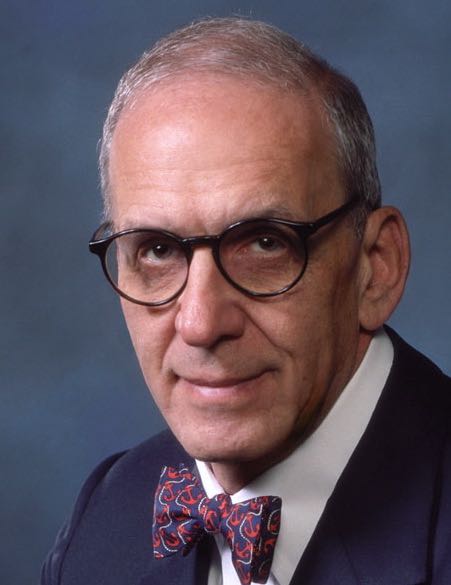
Surgical Neurology International, an international with Nancy Epstein as a
0:11
new editorially curated multimedia platform featuring operative videos, expert interviews, global discussions for the next generation of clinicians with interactive discussion of information, not
0:26
just more information. James Houseman is his editor-in-chief,
0:32
are pleased to present
0:36
a second in the series of Latin American
0:41
neurosurgery international grand rounds sponsored by the Latin American neurosurgeons and held on the last Sunday of each month
0:51
In addition to what SI digital and SI present of the Sub-Saharan African neurosurgeons international international. neurosurgery grand rounds held on the first Sunday of each month.
1:07
For this second Latin American international neurosurgery grand rounds meeting, the basic principle of the grand rounds is global solutions to clinical challenges in neurosurgery. The meetings are
1:19
organized by Johann Schokie Villescaz, who is
1:24
from Peru with the assistance of a Stradiburnard, Larry Lazarus, James Osmond for an international audience held on Sunday, February 22nd, 2026. The two topics of this grand rounds are one,
1:41
multidisciplinary management of low-grade gliomas given by Andre Servio and the second
1:51
endovascular treatment of cerebrolyaneurysms by
1:56
Andre's Ferrari. Both are from Flenny Hospital in Buenos Aires, Argentina. Dr. Johan Shoki-Valisquez is the organizer of these meetings. He's a Peruvian neurosurgeon researcher specializing in
2:05
several vascular skull-based, interventional, neuroadiology, and stereotactic radiosurgery. He's a researcher affiliated with the Helsinki University Hospital and Helsinki, where he did
2:05
postgraduate work And he now has the unit of neurosurgery at the Regional Hospital in Cusco, in Cusco, Peru. The name Peru is derived from the Quechua word, implying land of abundance. It's a
2:05
reference to the economic wealth produced by this rich and highly organized AK. civilization from hundreds of years ago that ruled the region.
2:56
country has vast mineral agricultural marine resources in addition to a very long coastline, which is on the Pacific Coast.
3:10
It also now is a central focus for tourism, and it's a major element in Peru's economic development. Favorite destinations are Machu Picchu, which are located 15 miles northwest of Cusco with the
3:28
museums associated with it. It's a wonderful site to visit. Part two of this talk is on the end of vascular treatment of a giant cerebral aneurysm by Anhal Ferrario, and he's associated with Fenny
3:43
and Buenos Aires, Argentina. Dr. Ferrario is the chief of digital angiography and our ideology, and as an interventionalist at the Plenty. institution in Buenos Aires, Argentina. His series on
3:59
giant cerebral aneurysms is 250 patients, one of the largest in the world. All right, we thank you very much. Terrific presentation. And now Dr. Ferario, you owe me you there? Yes, yes, yes,
4:17
Professor Angel Ferario, we present us about the endovascular treatment of the giant complex aneurysms So, please, Professor Ferario, welcome to this meeting. And you can start your presentation.
4:32
Okay, thank you very much. First of all, I will thank Professor Asmon and new colleagues and Andres Serio for the kind invitation. I will try to share my screen. This is the giant aneurysmese
4:49
aneurysm Ehhh. with the diameter, more than 25 millimeters. The frequency is 5 and 30, and the more frequent presentation is the mass effect and the other presentation is super-agnoid M-R-H. They
5:08
are
5:11
both possibilities in
5:22
the vascular treatment or micro neurosurgery with the bypass, for the endovascular treatment the put-off coils into the set complex aneurysmus is very, very difficult. And the
5:36
flow of the effort, the strength, was the very, very true challenge and the very true good options
5:49
and I don't know where they are.
5:53
the the occlusion of the paren artery, the constructive technique was the very good option. This is a nine-year-old with a fusiform giant cavernous and supracly not left internal carotides and all
6:15
these mattresses with the construction, with the balance at this moment, the
6:22
detachable balance and with the occlusion of internal carotides artery. And this was the very, very safe and effective therapy. You can see the
6:34
pipeline flowing through the right side and the left side in the right birth of the artery. And this is the volution of the of the of the endovascular treatment in the giant aneurysm. In 1985,
6:51
with the balloon with the detachable balloon or the coils with the construction technique and then with the coils but it is not very good for the giant animal reason just the the become of the stand
7:05
assistant coil in 2005 it's a good option and then it's very very good option the position of the flow diverter stand this is the the presentation you know this is the
7:23
cavernous catalytic dried animal reason giant this is the follow-up 24 months to two years and 40 years the reconstruction of the flow diverter is is very good and the and the new reason is gone and
7:38
this is the it's a linkage of the
7:42
aneurysma pre-treatment and post-treatment this is the of thalmic aneurysma the giant of thalmic aneurysma is the same
7:53
you can see the MRI axial sagittal and flare, T2 and flare, you can see the thrombus or the giant aneurysmium. And this is the ring cage of the treatment after one year follow up.
8:07
This is a similar case. And this is the another giant aneurysmium, the left side with left amiodosis with mass effect And this is important to treat with the flow diverter without calls for the
8:25
diminution of the mass effect of the ring cage of the aneurysmium. As you can see in the right as 11 and 36
8:35
month follow up. The in
8:42
additional years, the start of the flow diverter is a proximal segment of the character internal art. And then, they developed the flow diverter for the distal aneurysms too. This is the
8:59
example of the anterior cerebral aneurysms, a calm parsley from both aneurysms giant, treated with the flow diverter pipeline 3 by 18 millimetres of diameter, this is the MRI. And this is, you
9:13
can see the ACI
9:16
A1 segment, 2009, 2011, 2011, the diminution of the mass effect of the thrombous of the neurrhythmia after the treatment. This is the MRI. This is the ring case of the aneurysmia. Two with a
9:34
mild cellular artery. This is the zone patient 20 years old, two months head, a
9:42
fraction, dysgraphia This is the dissecting M1 giant right aneurysmia with the thrombus
9:51
This is Eema Peritrombus, this is the
9:57
3D angio, and this is the
9:60
angiography 2D and subtraction and without subtraction. And this is the 2-pipe line too, and the vascular strength to flow the vertical strength that the legs copied the fashion put into the M1
10:14
segment. This is the X-per-CT, the visos-CT, excuse me, the
10:24
visos-CT is the
10:27
rotational and georaphy, like ancient city, interlaterial. This is for the -
10:31
see the very good details of the flow
10:35
diverter strength. This is post-treatment and seven-month post-treatment. And you can see the MRI, this linkage of the aneurysm of the trombones. And this is the progressive decrease The annual
10:49
reason size and the mass effect and the edema peritrombus and the trombus cells.
10:56
This is the young patient, the pediatric patient, eight years old with headage and
11:04
this is the CT scan, this is the trombus and the edema into the trombus of the large and giant dissecting M1 middle cell or latrariania or isma, this is the
11:20
actual TC in 2022, this is the MRI with the trombus and the
11:30
edema, petty trombus in October 2022 and this is the T1 with contrast, this is the aneurysm itself
11:42
and this is the trombus around the aneurysm and this is the aneurysm, the DCI AP and oblique unilateral view, you can see that.
11:52
the fusiform, theisectin, giant aneurysm. We can put one flow of the vertebrae stand, and the long flow of
12:02
the vertebrae stand cross the neck of the aneurysm. This is the control. And sometimes in large and giant aneurysm, dissecting aneurysm. The flow of
12:15
the vertebrae is shortening. You can see here the shortening of the 10 and the remnant of the distal part of the aneurysm, treated in
12:25
2023 with another flow of the vertebrae in the telescoped fashion into the other and reconstruct to the segment of the artery. And this
12:40
is the result in military result. And this is the control one year after in 2024 And this is the shrinkage of this. Trumbus of the animal reason man in 2025. This is the reconstruction of the M1
12:56
and M2 segment of the middle cell artery. And this is the shrinkage and the disappear of the Trumbus of the animal reason in this location. And this is another patient with the dissecting large
13:11
animal in the
13:15
Basilar trunk. This is the, we put coils into the sack and the flow diverter into the Basilar trunk. And regarding the one week after the
13:27
deployment of the flow diverter, this is the shrinkage and the healing light into the
13:35
aneurysm with a, because the reconstruction of the artery with the flow diverter stand. And this is the control this year in January, 2026. Sometimes they are a flow diverter occlusion failure.
13:53
This is in case of a Baldwin endo leak from primary misdeployment of the tent, malaposition of the device, inadequate and a reasonable coverage of the corporation of the branch into the original
14:07
fond of, or in case of the presence of the previous lesser cut tent And this is
14:18
the improvement of the resolution sentiments in the giant and very large aneurysmous in 75 of
14:29
the cases.
14:33
Some times their daily rupture is not frequently sure.
14:41
In 1 of the cases of the, all the series of the flow diverter in 2020.
14:48
or 9, 10 or 9, 8 or 9 person of the person in the giant aneurysm.
14:58
This is a mechanism of the rupture of the aneurysm. The more important is the modinamic mechanism. You can, you know, they are inflow and outflow. The some type of flow diverter affect the inflow,
15:14
no, the outflow And this is the anemic mechanism, an active phase
15:19
of amorrhage. Sometimes it's the inflammatory process from the trombous formation.
15:31
In the case of the aneurysm is the rupture,
15:35
aneurysm is the amorrhagic case. In the giant of very large aneurysm, the option is put the coils in a good face and and follow with the stage flow diversion.
15:51
put the 10 flow diverter after. The morbidity rate followed
15:56
85 and the mortality is 74. This is the conclusion, the flow diverter is the very, very promissory and
16:09
very wood-staged armamentarium for the endovascular treatment for this kind of complex aneurysm Thank you very much and my apologies for the problem for the presentation. Thank you. Thank you,
16:25
Professor
16:30
Andrew Ferario. It's very interesting. Can we start? I have to say something that Andrew stops. Can you stop sharing trains so we can see everybody in the audience?
16:41
He has to stop
16:44
Uh-uh, mama, I think. I think Jorge wanted to tell something. Oh, I just was to congratulate Angel because he has shown a nerf of steel, a nerf of the acero in the middle of the catastrophe. So,
16:59
he has a quality of an outstanding grain of ashkola. Now it's better than Charlie. I mean, come on. Angel, okay, thank you. You're
17:26
just like. He had a sedule of corona. It took a minute to play. Go back. Can we ask Samrho, Samr raise your hand there, Samrho, Samrho is a hybrid neurosurgeon that means he's both a
17:26
neurosurgeon and he's an interventional, neuroadiologist. He was trained in Iraq and he's been take a fellowship in the United States in Cincinnati. He was going to Pittsburgh. He was back in
17:33
Cincinnati. And Samrho, what's your thoughts about this presentation by Andres?
17:43
Yeah, thank you, Dr. Grossman, hello everybody. Thank you, Dr. Ferrero, for these nice cases. I think this is a giant experience in giant many organisms. I really congratulate you for that.
18:01
Yeah, I think I have few questions. It's not really questions about to expand the knowledge about your experience. And if we have time, I can start with them First, I would ask about what's your
18:19
protocol for a follow-up? I mean, the timing of a follow-up and what do you usually use? CTA versus MRI or MRI or DSA, for those giant organism treated with blood diversion. Thank you for the
18:36
questions, very good questions. The protocol is the, you know, the flow inverter needs a very
18:47
strict dual anti-platulate regime. after the deployment and the dual and the platelet regime, their
18:56
drugs,
18:59
clopidogrel, parasudel, ticagrelor, different drugs and it's very, very important.
19:06
The follow-up, the follow-up acts six months before change the medication is the DCI and my opinion is the
19:17
best fashion for for control, the
19:27
hyperplasia, myointimal hyperplasia or stenosis, interesting or whatever you want to see and after that, in giant or very large aneurysma, is very good, the MRI after one years. Six months, DCI
19:41
and one years,
19:46
MRI Thank you.
19:49
Can I ask about the, how do you think about the partially thrombosed?
19:54
And some people will use some anti-placate first to dissolve the thrombose, then start to treat because there is a risk of
20:07
moving of the thrombose, what's your experience with partially thrombose? Or when there is an entromural thrombose inside those giant aneurysms?
20:18
Yes, thank you, yes, in my experience, I, when I,
20:27
the entrombose, I prefer to put the flow diverter directly without coils.
20:34
And the regimen with the dual anti-platelet therapy, one week, yes, one week before the
20:42
treatment. But it is, it is better than put coils for the rigs to remove the thrombus into the power and vessel.
20:56
Thank you. One last question, I think you start the idea of it. Using coils, some people will jail the micro-caditor and maybe drop the first coil partially and then put the pipeline and then
21:13
complete the coiling. I noticed from those cases, you put like multiple coils. Some people suggest we can put only a few coils inside the aneurysm. What's your preference?
21:28
Yes, very, very good question there. This is a very, very, very sticky answer because the giant aneurysm, the
21:42
presentation with the presentation.
21:47
Mass effect, I prefer don't use coils into the animal reason because the mass effect
21:56
doesn't work with
21:59
20 or 25 coils into the sack. I prefer only put the flow
22:09
diverter and three months with the dual and depleted therapy and then only aspirin and then we
22:17
prefer only that. And with the Super Ignite MRO always, always we need to put coils and flow diverter. If you need to put coils and flow diverter, the technique is the jailing technique. It's
22:34
neat to put two micro-cataters in, one into the sack and one into the pouring artery, one for the coils and one for the flow diverter's scent.
22:48
Thank you, I appreciate your experience. Thank you for sharing that. You
22:55
have a lot of knowledge about this area. What are your thoughts and what are your questions?
23:01
Pardon I don't understand. You've had with Professor Hernestimi, you had a lot of thoughts about giant aneurysms and experience, what are your thoughts and questions?
23:16
You're muted, you're muted, you're muted.
23:22
Yes. Okay, go ahead. No, you're already, sorry, sorry, sorry, yeah. It was a very nice presentation, Professor Hernestimi, yeah. And
23:32
maybe my first question would be in your center, is the management of all giant aneurysms by end of vascular treatment, or do you have some kind of protocol to perform some bypasses or some
23:48
microsurgical techniques. Do you have some kind of protocol that you can share us? Yes, sure. All the cases of aneurysmized discussed with neurosurgeon department, Dr. Andres Servio and your
24:06
staff. Sometimes they're indication from bypass technique.
24:15
Almost with the flow diverter app era, I think this is more frequently to put the flow diverter and make it bypass. I don't know what is the
24:28
history in the United States, but here in Argentina is more frequently to use flow diverter and make the bypass, but sometimes in some indication, All the cases are.
24:46
It discusses the neurosurgeon and sometimes the bypass is an option, sure.
24:50
Yes, yes. And yeah, for sure. Also, it depends on your long experience. I think in Argentina, you have a very long experience on endovascular techniques and you are doing quite a great job.
25:01
And there was a concern about some cases. There are, of course, very few cases, but some cases can replete after or in the
25:14
long term following of the giant aneurysms treated by by pipelines.
25:24
What about what is your reasoning about those those events after the treatment of the giant aneurysms with a pipeline or with some kind of devices? is necessary another surgery after the boot of one
25:40
pipeline. No, I wanted to ask you how you manage those cases.
25:46
If you have some kind of, of course, there are few, but if you find some complications in the following of your patients or how do you manage? Even there might be hemorrhages or if you like
26:02
strokes, these chemical strokes in the following. Okay, yes, one, they are a very good drug for the
26:14
thrombolic events, inadequate phase. It's a type of event, 2B, 3D, A, and the type of event here is the most drug we use in that event, thrombolic events. When the AI, MRH,
26:35
I actually have to do this. I need to call the neurosurgeons for put the DVI or the
26:47
academy of something else, but the
26:51
official, the physical case is that the patient is under dual anti-blattile therapy, and this is a very, very big problem when the
27:02
marriage appears
27:06
Excellent, thank you, we had a guest who wanted to ask some questions, please, if somebody, I think we had a guest, I couldn't see his name, but
27:20
I raised my hand, but it was almost close. Hi everybody, thank you, Ankhir, for your talk. I know if you can listen to me well.
27:35
And I know how we work in the same hospital. So I know how your experience - but you mentioned in the beginning of your talk that many of these aneurysms, shared aneurysms do manifest with mass
27:47
effect. So I was seeing your images about the shrinkage of the aneurysms when you put the flow the inverter. So when do you expect to show that shrinkage? And what about those aneurysms that show
28:02
with mass effect? So what about the approach of those aneurysms that do present with mass effect? And you decide to treat with flow the inverter instead of surgery. When do you expect to see the
28:15
shrinkage and how do you manage these type of aneurysms?
28:21
The probability - yes, thank you, Mauro. The
28:24
probability of the shrinkage of the aneurysms depends the phystopathology the most of the time, the
28:32
dissecting aneurysm.
28:35
I think it's difficult to clip this aneurysm, the best indication, in my opinion, in this moment is the flow diverter. And in this case, the dissecting aneurysm, it's not the true aneurysm,
28:49
it's not the free wall of the
28:53
aneurysm, the true aneurysm. It's the troubles of the cell aneurysm, of the dissecting aneurysm, it's a wall And this is the case, and that I show you, that the
29:08
high probability after six months, this linkage is completely reabsorbed, full troubles of the aneurysm, the mass effect disappear in this time. The problem is when the mass effect is with the
29:29
true aneurysm, with the large neck or the broad neck. And in this case, the shrinkage or the wall is calcified, the shrinkage is less probability of course. And in this case, perhaps, I agree
29:50
with you, the micron or surgery with the clipping of the aneurysm, is the better option than the vascular treatment.
30:01
Okay. Thank you very much I think Samara has had a question. Samara, you wanted to ask a question? Yeah, thank you. It's a follow-up comment on Dr. Johan that he mentioned that there are some
30:14
cases where there is
30:18
a rupture after pipeline or after fluid diversion. I think it's a very rare incident what can happen and we should be aware of that, especially even with the discussion of the patient. I remember a
30:33
few weeks ago,
30:35
we thought it's a simple, it's not a simple, it's a giant, regular shape, paracranoid aneurysm that we put pipeline and
30:48
the patient presented three days after discharge with
30:51
a rupture. And actually, it's a fatal rupture. We can do nothing. The patient has a very poor clinical status. And we discuss a lot how to prevent that There is no real
31:05
solution for that. I mean, it's rare, it can happen. And yeah, there is a theory that aneurysm can expand and like swell after putting the pipeline. And yeah,
31:20
I think you're right. Sometimes a rupture can happen in those instances, but it's still very rare. However, we need to be aware, especially with the discussion with the patient, It can happen
31:33
sometimes, unfortunately. In your case, with COIL, so without COILs? Actually, we did not put COIL. It's on the edge of giant. It's an 18 millimeter, so it's not that big. So we thought it's
31:48
unwrapture. It's very regular. No branch arising from the aneurysm. So we put a pipeline and we
31:56
said, okay, let's see in six months if there is a need for another pipeline And the patient health therapy, the procedure went very well. And exactly four days after the procedure, the patient
32:05
presented to the ER with
32:11
a huge stubborn idea of marriage. Okay. Yeah. Can I make a few comments?
32:21
Yes. When I'm in my younger days, that was about five years ago.
32:31
We were operating on aneurysms, and we came by with, we operated on, I think over a period of time, we wrote a paper on it with 50 giant aneurysms. At that time, you know, Professor Sugita. I
32:47
went to Japan, we talked about that, and these are giant aneurysms. And he said, I can't believe that you did 50 aneurysms, because I don't see that many. And you presented a series of, okay,
32:60
you had almost 250 giant aneurysms here, Andres, which is an incredible series, very large, very complicated cases. And I congratulate you for what you did. This was before, at this time, this
33:16
was before we had interventional, we had worked on interventional at the time, we had Dr. DeBrun with us, who was an international expert. But then I was working at UCLA,
33:28
And the hospital, they had all the facilities that you have at planning. But we were working in the county hospital. And the county hospital had very limited facilities. And we had a lady who came
33:41
in. There was an Indian lady, she was, and she had progressive left-time empiricists and then a giant metal cerebral aneurysm. So we couldn't, there was no way to coil it. They weren't skilled
33:53
at that.
33:55
The natural history was not gonna be good She was already getting symptoms. And so the question is, what do you do? We had the interventional, we had
34:05
good angiography. And so, Andrea, I want you to comment on this. Maybe this isn't your experience. And so we decided to do this as an open case. And we opened there, we isolated the aneurysm.
34:19
And what we wanted to do is isolate the neck. We used a technique in which they had developed and Texas. with Duke Sampson, where we put a needle in the aneurysm. They used to put a needle in the
34:31
carotid artery and then suck out, and then the aneurysm would shrink. And we put a needle in the aneurysm, we sucked out as much blood as we could, and so we then squeezed it down and then put
34:42
some temporary, large temporary clips on it. And then the answer is after time, we wound up with that same approach and essentially drained the aneurysm of that In case some cases where there's an
34:56
aneurysm in there, we'd open the aneurysm and under temporary clipping, we would rapidly take the aneurysm out and then continue with this. And the reason I'm bringing this up is 'cause 85 of the
35:10
diseases in the world occur in the low to middle-income countries. I couldn't possibly say that funny is a low to middle-income hospital. You guys are a world center there.
35:23
most people are stuck and we couldn't refer this patient to UCLA. There was no money. It wasn't possible. So it was like we were in a third-world country and we had to result to what we was the
35:35
most reasonable treatment, which is direct treatment. Well, it turned out we were able to get multiple large clips and we occluded the aneurysm. The middle cerebral was patent. She woke up with a
35:47
minor deficit and then walked out of the hospital seven days later. So the reason I'm bringing this case up is because most of the places in the world, like I mentioned, 85 percent of the diseases
35:59
occur in countries where they don't have intervention. And so what do they do for lesions like this? Which is, Andre, why I asked you? Because you've seen this before. You know how many you and
36:12
you
36:14
have traveled around the country. You saw this around the world. What do you do if I'm in a low-to-middle-income country and there's no way I can refer this case? And this is true with Sam in
36:25
Africa. How do you manage this case? You either have to do nothing, which is you will rely on their natural history or you take the carotid artery like they did many about 50, 75 years ago. How
36:40
do you approach that? You have any comments about that because what do you do if you don't have access to interventional treatments? Yes, I have a comment and I will tell you that after Professor
36:56
Andres can give his opinion. Professor Andres said, Well, I think you want to do it. Yeah, thank you very much, it's like it's not, it's an opinion based on philosophical point of view. I
37:07
completely agree with Professor Osman. It's very difficult because which is the option to the treatment like I'm here for radio show us. bypass surgery. And bypass surgery is not for everybody,
37:19
you have to train. If you have to, if you try to do what, for example, Tanikawa do in Japan, you need a lot of time to perform the training and you need patience to have your skills always
37:34
completely
37:37
in the way to perform the bypass surgery. So sometimes it's not so, of course, it's not so easy to have a member of your team only dedicated to bypass surgery. It's not a problem also, only to
37:53
the low income country like Shins was saying because, you know, I haven't heard some,
38:04
not theory, it's a program in a very big important country in Europe. I will not say the name of the country, But my colleagues, they are told me they are organizing a system. when you have
38:17
neurosurgeons, very well specialized in bypass. And if you need one bypass, call one of them, they go to your city, perform the bypass with you, and then return to the other city. That's the
38:31
way this country is thinking to organize this type of surgery. I am not sure which is the solution, but I can tell you what's happening in my outpatient clinic. And for the young resident, for
38:43
young neurosurgeons, all over the world, we did the same. It's the open eye, chaticity. When the patient developed one MRI, because some headache, dizziness, tinnitus, and they discover, not
38:57
giant aneurysms, is that an aneurysms or an aneurysms? And they tend to, or basically, you are obliged because of medical legal issues to say that there is another option to the microsurgery. I
39:11
like microsurgery, I love microsurgery I always will be. not against in favor of surgery, but you have to tell the patient there is one option. And the problem is now the patient put in the open
39:25
chat GPT. I have this analysis with this option. The first option is endovascular treatment. Why? Because this open large language models develops their opinions based on
39:46
the publications. And if you see the PubMed, podcast, blogs, all over the world, there are more tendency to intervention and treatment than microsurgical treatment. Of course, there are very,
39:51
very beautiful surgeons like in Japan school. They are performing more than six, say by past each day. It's impossible to replicate their results all over the world. So for me, it's like
40:04
philosophy. It's more doubts, more questions and answers. I don't know how will be the future but in the vascular therapy, came to remain. and one of the most important treatments. Excellent,
40:20
go on. Yes, that
40:23
is totally true, especially in the cases of giant and
40:28
fusiform aneurysms in the posterior circulation that we could see that the bypass surgery, for example, is quite complex, quite complex. On
40:38
the other hand, and yeah, it's part of the development of the science And it's true also still that many cities and many countries are not
40:50
available, those tools. So we have this dilemma.
40:55
Yeah, I was in Finland with Yuka. So they're also, they were performing bypasses and then the vascular treatment. And, but there are also new developments. And yeah, for sure, we should
41:09
demonstrate them and we should show them that they are usable and they are useful.
41:16
And, but the disease was there for a long time. Giant aneurysms is a disease that was there for a long time and we had patients even before neuroscience exist. And we, I was reading some papers
41:31
and there in Finland, there was of course the techniques, the surgical techniques also for these complex aneurysms has changed a lot along the time. And in the beginning, for example, there were
41:44
the trapping techniques, especially there are some kind of
41:51
unpublished information. We were preparing a paper there in Finland, but we couldn't finish about what neuroscience were doing in Helsinki before you has time. And even when he was going there with
42:05
these diseases, so they were making trapping, especially in the patients with giant aneurysms complex analysis in the Ontario Communicating. artery. So they were seeing how the flow is going and
42:23
in the arteries and they were making trapping. It means that they were closing the arteries as James was commenting and the results were not that bad in those cases, in those cases, no? And later
42:37
also they saw that, for example, in Finland, the most complex vascular case was this fusiform bacilar aneurysm. Fusiform middle section bacilar aneurysm. So you have on those times was invited in
42:55
many, many vascular aneuryserions, microsarions, and they were performing bypasses. They were long-lasting procedures, and sometimes they were not going well. So they developed a slow closing.
43:16
Yeah, so it was very root in a very, very empirical approach of Yuka who was opening a clip and was put in some kind of of a big grill or absorbable in
43:31
the future there, and it was supposed that the clip was slowly closing in three or four months, and producing some kind of
43:42
progressive closing of the artery and trying to develop some kind of of anastomosis you know And later one of his fellows developed or start doing more technology with this technique so Ben who was
43:58
working there. He was developing like a
44:02
robotic or like it was like
44:06
how it was what's the term
44:09
And a slow closing clip that was working. by manipulating a remote control. So it was something that they were trying to develop. And the idea was that for these fusiform aneurysms, there is not a
44:25
simple technique, because even in the endovascular treatment, they were having issues. And yeah, they were trying all the time to develop and develop more, more, more techniques, which means
44:36
that still there is not a gold standard treatment for some cases, because it's still even doing the best of our management, we have complications, especially in this
44:50
fusiform basilar trunk aneurysms. So, still there is ongoing, ongoing treatment and ongoing research about that, yeah. We have a question from Pablo V. He can't get his microphone to work, but,
45:05
and I think we've answered some of it, Pablo, but he wanted to know what the opinion is about your skills training and qualifications. required by doing this. In other words, I think Andre has
45:16
mentioned this, is that these are not simple, these are complicated problems to handle, and do you have to be developed by past skills, you have to develop some other skills. One quick question,
45:29
Joham,
45:32
using cardiac arrest. Dr. Ernest Nimi did this many times. There is a drug that you give the patient that has a cardiac arrest for up to a minute or two minutes, you work quickly and you take care
45:45
of the aneurysm. You wanted to make a few comments about that and then we're gonna bring this to a close. Yes, yes. Summer also has a. Yeah, yeah, summer also has. So I will comment quickly
45:56
about this. Yes, that's especially useful when you are operating an aneurysms and when you want to place temporary clips. So instead of the temporary clips, you can use cardiac arrest by adenosine.
46:12
So it gives you like 40 to 60 seconds to put the clip, that temporarily, or put the definitive clip without placing temporary clips at many times. Also, it works when you have a roti-red, or when
46:29
you have a roti-red interpretative aneurysm. So sometimes the bleeding can be so hard that you really cannot manage
46:40
the placing of the temporary clip to control the bleeding. So cardiac arrest is quite useful. You must need to recognize the contraindications of this procedure, but as well as the patients can
46:57
have this procedure, where you can do four to five times without any complication. In the cases of giant aneurysm or thrombosis aneurysms, also it might give you some sometimes for sucking the
47:13
thrombus inside the aneurysm. There are like techniques when you clip both sides, both afferent sides of the
47:23
aneurysm, you open the aneurysm and then you suck and you suction all the thrombus inside the aneurysm to avoid the tromboembolic events. Of course, the complex aneurysms and giant aneurysms have
47:34
many different techniques And the last one is the
47:42
bipolar surgery. But before that, still, I think you can use other techniques if those are not so fusiforms, if those are not so big. If you have a giant aneurysm, but with a short neck that
47:58
sometimes exists, then you can also use clipping techniques But definitely you must analyze the case according to the -
48:08
and your architecture of the aneurysm and then proceed with the best techniques you have. If you have a good endovascular technique, of course you should do that. If you have the tools, of course
48:24
you should that. If you don't have that and then the patient is requiring quick surgery or quick treatment, then you must use your microsurgical techniques And that is the importance where you need
48:38
always vascular team in your neurosurgical institute to give this wide approach of the cases. And I think we encourage to proceed in that way to have always a vascular committee to decide what to do
48:55
with that cases. Okay, Sam, are you at a question? I'm sorry, I thought it was still, go ahead, please. Thank you I appreciate this expert discussion. I think I want to allude to what Dr.
49:10
James Osman mentioned about practicing or treating patient in resource-limited areas or institutions during our early practice in Iraq and Baghdad. And this is also related to the skills required.
49:28
So we start to treat patients. We have some microsurgery experience. We can do bypasses, clipping. We are more comfortable with that And we start to the endovascular just early experience. And
49:40
then an additional factor is the cost for the endovascular treatment. It's very costly for the patient. So we have an example of a
49:52
suprachlinoid naronic giant aneurysm. So we think, OK, it's naronic. Let's go on the clip. And intraoperatively, we found it's very difficult to find the neck because the aneurysm is very sad as
50:04
a. very saggy wall is like very thin aneurysm of that, basically cover the carotid. I cannot see the carotid to put on parrot clip. I cannot reach the neck of aneurysm. So we decide, okay, it's
50:18
too risky to
50:22
try more. We stop the surgery and we have the ability to
50:27
do pipeline, but we don't have the experience. So we reach out to nearby countries We found a professor in Saudi Arabia
50:38
who can give us the opportunity to do a tele-proctoring, where we do a similar setting like this meeting. It's a Zoom meeting. The difference is that we have intraoperative mobile camera where the
50:57
professor in different country can see the screen while I'm doing the procedure He walked with me through the procedure. I don't have that experience. I'm putting the pipeline. We put, it was like
51:11
second or third pipeline for us. And we put just short pipeline, like a blood diverter's tent on the neck of an orgasm. And it's the endurosine disappear immediately. And that's it, it's done.
51:26
And it was a huge
51:29
change of life for the patient And also it's very difficult to bring such experience always to the patient. So by my point is that that telepoptering will help to distribute the very rare experience
51:48
that's needed sometime. And yeah, experience such Dr. Ferrero described today, I think it's very valuable. And people around the world can use that even if it's through to the monitoring.
52:04
I think we're coming to the end. We've been two or two hours and it's been, first of all, Andre, your presentation was really at the forefront of where neurosurgery should be going. You're doing
52:16
things and obviously Dr. Defoe has done these things too. Gradually, this idea is spreading around the world. We have to preserve function when we're operating on the brain and not just look for
52:28
gross total removal. And, and, and understanding, outstanding series of giant aneurysms, masterfully treated. And the comment is, what do we do in areas where an international group here, this
52:44
is an international meeting where people don't have access to these things. I think there's two things. One, bring the case to the meeting. We use all the time this, this time in presentations,
52:55
but bring the case to the meeting. We can discuss it and at least with our combined thinking help you to do whatever you can do. I described a case that I had in Los Angeles that couldn't go
53:08
anywhere, that was like it was the third world country, and there are things you can do to manage these cases, and we can help you with that. Everybody doesn't have access to all the equipment,
53:18
and even if you have all the equipment, it may not be helpful, which is what Dr. DuFoe has shown, Andre. You don't need all the imaging and all the fiber tracking, and then you don't need that
53:29
what you need is real information from real surgery at real time, and so I think that's my message there. Otherwise, I think, you know how I think we should close this off. The next meeting is
53:43
the last
53:45
Sunday of
53:48
March, and we'll send you notices about it. We'd like your comments on what we can do better This is our second meeting, we had somewhere between 20 and 30 people here. We had 40 at the last
54:01
meeting. We've had this experience in Africa and the people who are coming, it depends upon their interest in the subject, we're trying to broaden that. But anyway, we thank you very much. Any
54:13
comments you'd like to make before we close? Andre, any thoughts?
54:18
No, thank you very much, Jim. And also, we'll be here with whatever he wants, whatever he wants. All right, thank you. We look forward to your center participating with us in the future and
54:29
these grand rounds You guys do excellent work. And, Sam, thank you very much for your comments. Andres Ferrari outstanding, outstanding work, okay. Thank you, and that's Professor, thank you
54:43
for a kind invitation. Okay, Fernando Palacios from Peru, we want to hear you
54:50
talk about skull-based surgery in the future,
54:54
and thank you all very much, okay? Yeah, thank you very much This will be on video probably within the next seven days, okay?
55:07
Thank you very much. Thanks a lot. See you in the next meeting. Thanks a lot. Bye-bye. Okay. Thank you. Thank you.
55:16
We hope you enjoyed this presentation.
55:20
The views and opinion expressed in this program are those of the authors and interviewee and do not necessarily reflect the official policy or legal position
55:32
The information in the program should not be considered to be medical advice. Patients should consult their own physicians as to their specific medical needs. Fill out your evaluation of this video,
55:44
which appears in the home page of SI Digital. Choose from one to five stars. Five is the highest rating, so that helps us improve bringing programs to you The session is recorded, and it's free to
55:57
everybody everywhere on the Internet, on SI Digitalorg. If you have questions, comments, or requests for CME or suggestions, look at the blue icon on the bottom of the right of the homepage and
56:10
please send us your notes.
56:13
SNI Surgical Neurology International is a journal read in 239 countries and territories. It's been published for 15 years. It is the third largest readership in neurosurgery with over 200, 000
56:26
readers a year. Its internet addresses SNI doc global SNI Digital is seen now in 158 countries in the last 23 months. It's the first video neurosurgery informational resource of its kind, has over
56:44
60, 000 views, and listeners a year also including podcasts, and it's on SNI Digitalorg. Both journals and information sources are available free to everyone on the internet everywhere 247, 365.
57:01
The goal of the foundation supporting these journals and information sources is to help people throughout the world.
57:09
SNI Digital now offers this program and all of its program on podcasts. Commercially, it's available on Apple, Amazon, and Spotify. Look for SNI Digital. And the foundation supporting all these
57:24
programs supports the medical news network to bring truthful medical and science news to the world, medical news that you can depend on. This program is copyrighted in 2025 by the James I. and
57:37
Carolyn Olesman Educational Foundation. All rights are reserved. If you have questions or comments, you can write Dr. Olesman at JamesOlesmanMaccom for
57:47
more information. Thank you for watching. We hope you found it valuable.